

Isaiah 6 is an intriguing account in scripture. It gives the account of a divine encounter that a then young prophet, Isaiah, has with Jehovah God. Interestingly, an account like this may have been written at the beginning of the book if it were up to many of us. But for Isaiah, though his ministry had already started, this was the real genesis point. This marked the point where he encountered a full-on transition into being the LORD’s mouthpiece. This is where he had to take on spiritual maturity and be a spiritual leader to the Kings of his day and, to a greater extent, the entire Kingdom of Judah. This is where Isaiah’s eyes were truly opened.

This revelation point is seen clearly in Verses 1 to 8 of Isaiah chapter 6. It goes as follows:
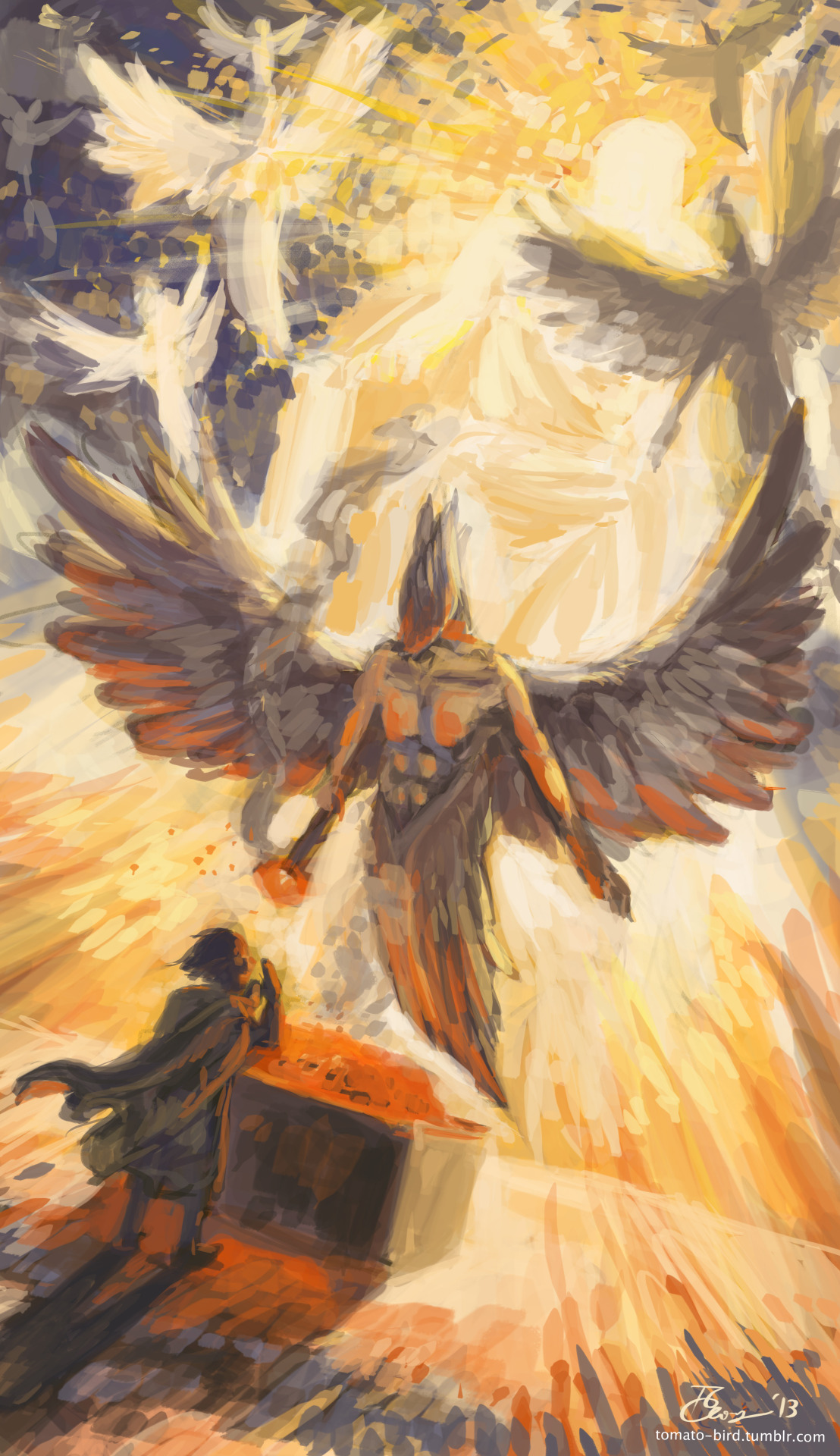
1In the year that King Uzziah died, I saw [in a vision] the Lord sitting on a throne, high and exalted, with the train of His royal robe filling the [most holy part of the] temple. 2 Above Him seraphim (heavenly beings) stood; each one had six wings: with two wings he covered his face, with two wings he covered his feet, and with two wings he flew. 3 And one called out to another, saying,
“Holy, Holy, Holy is the Lord of hosts;
The whole earth is filled with His glory.”4 And the foundations of the thresholds trembled at the voice of him who called out, and the temple was filling with smoke. 5 Then I said,
“Woe is me! For I am ruined,
Because I am a man of [ceremonially] unclean lips,
And I live among a people of unclean lips;
For my eyes have seen the King, the Lord of hosts.”6 Then one of the seraphim flew to me with a burning coal in his hand, which he had taken from the altar with tongs. 7 He touched my mouth with it and said, “Listen carefully, this has touched your lips; your wickedness [your sin, your injustice, your wrongdoing] is taken away and your sin atoned for and forgiven.”
8 Then I heard the voice of the Lord, saying, “Whom shall I send, and who will go for Us?” Then I said, “Here am I. Send me!”
Isaiah 6:1-8 (KJV)

Now, with all that is going on around us, we may feel fearful, flustered, frustrated, or just fed-up! However, just as God instructed Isaiah, it is important that we open up our eyes to Him. We must see beyond the chaotic and recognize the LORD’s mighty hand at work in everything.
As we read through these verses, let us note three key observations that must be made when we Open up our eyes.
OBSERVATION #1: Observe who God is and how He is working

The Bible says that in the same year that King Uzziah died, Isaiah received a vision from the LORD that was actually about the LORD Himself. This introductory statement is imperative in understanding Isaiah’s story and the entire narrative of the Book of Isaiah. Firstly, though, let’s look at the Backstory of the two characters mentioned here:
Backstory of King Uzziah and Isaiah.
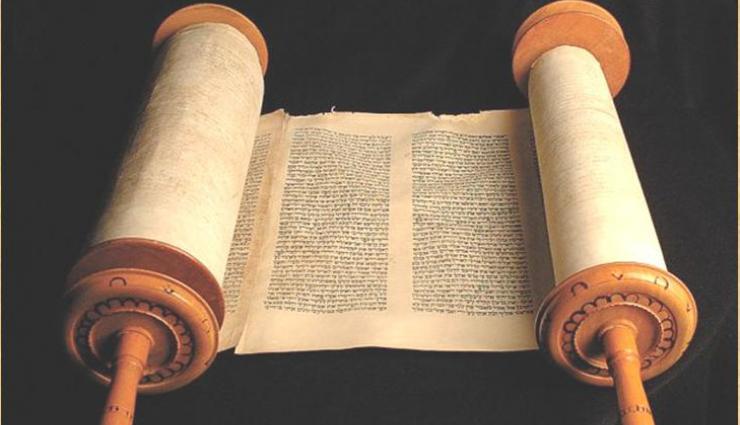
- King Uzziah’s story is documented in 2 Chronicles 26. He became king at age 16 in place of his father Amaziah, and reigned in Judah for 52 years. He was a powerful king who, initially did right in God’s sight. He won many wars and even had an army that had in excess of 300,000 soldiers.
- However, pride became his downfall. Scripture shows that he became so prideful that he walked into the temple and burned incense before God, which was at the time the duty of the priests only. He was confronted by Azariah the priest and 80 other priests. While they spoke and chastised the king, leprosy began to break out on the king before them, starting on his forehead.
- Isaiah was a young man, beginning his prophetic ministry during the days of King Uzziah. His prophetic ministry would last for three more kings (Jotham, Ahaz, and Hezekiah) before his death at, reportedly, the hands of Manasseh, king of Judah and Hezekiah’s son.
We are now seeing here that God’s vision to Isaiah in chapter 6 firstly reveals to Isaiah His majesty:
- He sees God sitting on His throne
- He sees God’s robe filling the most holy part of the temple
- He sees seraphim and other heavenly hosts around God’s throne, declaring praises to God
In a year of such transition for Isaiah, God had to reveal His majesty to the young prophet. Despite the death of a king and the change of power that was occurring in the world of men, the LORD remained the true and absolute power. This would have solidified Isaiah’s relationship with and commitment to the LORD. This also reveals not just God’s majesty but also His power at work.
Though Isaiah was prophesying before, his major transition and transformation moment came in Isaiah 6, in the same year that king Uzziah died. It probably would have been a trying time, seeing a king who was mighty and under whose rule your ministry began, just die while being plagued. God’s revelation through the vision represented not just Him giving Isaiah a message but, rather, a major transition moment for the young prophet as well. It could have also been His message to Isaiah to show the young prophet that reliance on the LORD, and not on mankind, is what truly matters. Kings may seem mighty, but even kings fall and die. Yet the LORD, whose robe fills the holiest place of the temple (Picture it; He Himself is so holy that the train, or end part, of His robe fills up the holiest part of the temple with ease), can never die and rules over all creatures, over all creation, and over all realms of existence.
You may look at the chaos around you and automatically proclaim doom and despair. Yet, don’t make the mistake in not recognizing that it just might be a transition year in your own life and in our life as a Church; as the people of God.
OBSERVATION #2: Observe your Personal and Societal state

Isaiah 6:5 is an interesting response from the young prophet. After seeing God in His majesty, Isaiah could only muster one response:
Woe is me! for I am undone; because I am a man of unclean lips, and I dwell in the midst of a people of unclean lips: for mine eyes have seen the King, the Lord of hosts
Isaiah 6:5 (KJV)
We see here that Isaiah did not become prideful. May of us, when receiving a revelation from God, might get prideful and boast about it to others (portraying ourselves to be God’s favorites – by the way, read Acts 10:34 and Romans 2:11). He did not look at the vision in awe and then forget about it after. He did not even respond, giving His commitment, before returning to his old ways. Instead, He responded in the way that all of us should respond.
Isaiah’s response (step-by-step)
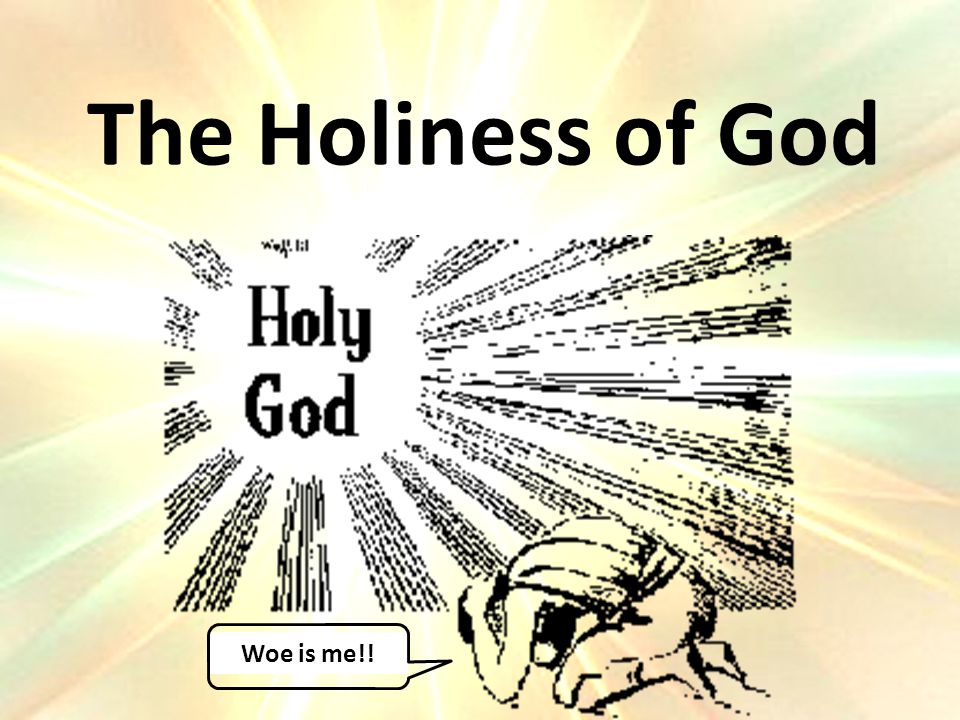
- “Woe unto me, for I am undone“: This statement shows that the revelation of God’s glory should help one recognize his or her own unholy state. This should lead to repentance.
- “I am a man of unclean lips“: In being led to repentance, sins must be confessed. The revelation of God’s glory should not lead us to be prideful; it should lead us to look within our own selves, to believe on Him, confession, and repentance.
- “I dwell in the midst of a people of unclean lips“: God’s presence is so holy that your eyes will automatically be opened to all that is unholy; both within yourself and your society around you. God’s presence is also so empty of selfishness so you become aware and concerned of the societal state around you and not just about yourself.
- “For my eyes have seen the King“: Isaiah experienced a transformative moment, not because of someone else’s beckoning, or because of him being forced otherwise. He experienced a true transformative encounter because His eyes saw the KING. This shows how important it is for each one of us to have a personal encounter with Jesus Christ. If we depend on another person’s beckoning or another person’s experience, we would only be living superficial lives, void of a true encounter that can save, heal, deliver, and transform us.
OBSERVATION #3: Observe and Obey the LORD’s calling

6 Then flew one of the seraphims unto me, having a live coal in his hand, which he had taken with the tongs from off the altar: 7 And he laid it upon my mouth, and said, Lo, this hath touched thy lips; and thine iniquity is taken away, and thy sin purged. 8 Also I heard the voice of the Lord, saying, Whom shall I send, and who will go for us? Then said I, Here am I; send me.
Isaiah 6: 6-8 (KJV)
God does not leave us wallowing in self-pity or despairing in our saddened state. His revelation is to bring about our repentance.
Isaiah had to come to the realization of his own “undone” state. Therefore, when the seraphim came with the hot coal from the LORD, and touched Isaiah’s unclean lips (representing his unclean life) and cleansed it, the young prophet would know that his transformation came about by the LORD’s doing. It came about because of Isaiah’s repentant heart and because of the LORD’s commitment to keeping His promise to every repentant soul.
The Lord is not slow to fulfill his promise as some count slowness, but is patient toward you, not wishing that any should perish, but that all should reach repentance.
2 Peter 3:9 (ESV)
After the purging of his sin, Isaiah then heard the LORD say “Whom shall I send, and who will go for us?” Firstly, Isaiah heard this instruction from the LORD Himself. It was a direct calling from God. Secondly, Isaiah did not even hear the task as yet. He didn’t know exactly what it was, where he would have to go, or what it might cost him. His eyes, however, saw the King, the LORD of hosts, and his lips were touched by the LORD’s coals, live with fire. He knew that after such an encounter, such a purification, and such a repentance, he had to make the ultimate commitment of complete obedience to the will of God.
Conclusion
Isaiah went on to live quite a life of ministry. His writings, compiled today as “The Book of Isaiah“, represent the second longest work of scripture in the Holy Bible, after the Psalms. He prophesied to kings, to the people of Judah and Israel, and to surrounding kingdoms. He prophesied about upcoming conflicts, about the exile to Babylon (which occurred about one century after he lived in the days of the prophet Jeremiah), and, most famously, gave arguably (along with King David) the clearest and most detailed prophecies concerning the coming Messiah, Jesus Christ Himself.
Yet, this man was not perfect. He needed to repent, to be purified, and to recommit his life. Don’t forget that when he had this vision he was already a prophet. Yet he still needed to be purified by the coals of fire of the LORD. He also still needed to recommit His life, showing forth His commitment and obedience by saying “I will go“. It therefore does not matter how long you have been a believer, or if you are a pastor, a prophet, or any other member of the five-fold ministry. We all need a true encounter with Christ, where our eyes can be opened, where we can truly repent, where we can recommit our lives to Him, and where we can know Him more. So when you feel the LORD calling you and revealing Himself to you, in any way whatsoever, open your eyes.

 Beacon Of Flavor